A workshop catalog with a part number for everything
What they actually do
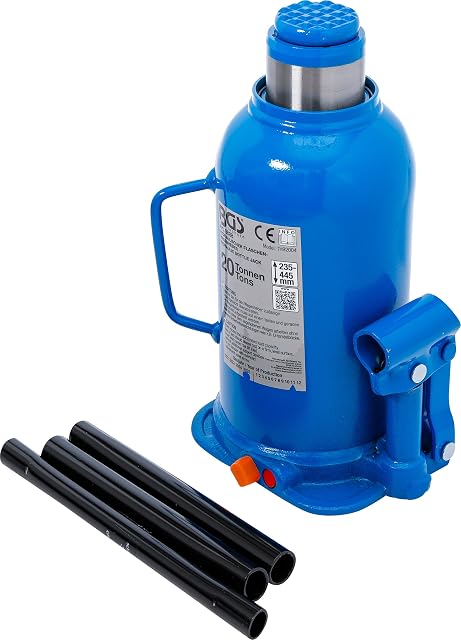
BGS supplies workshops rather than shelves, and it shows in the way the products are described. Where a marketplace listing says “heavy duty”, a BGS entry gives the jaw opening, the clamping range, the ram diameter and the footprint of the base.
Why that matters on this site
Half the buying decisions in a garage are compatibility questions: will this jack fit under the car, will this separator fit that joint, will this cup fit that filter housing. Published dimensions answer them before ordering rather than after.
The catalog number
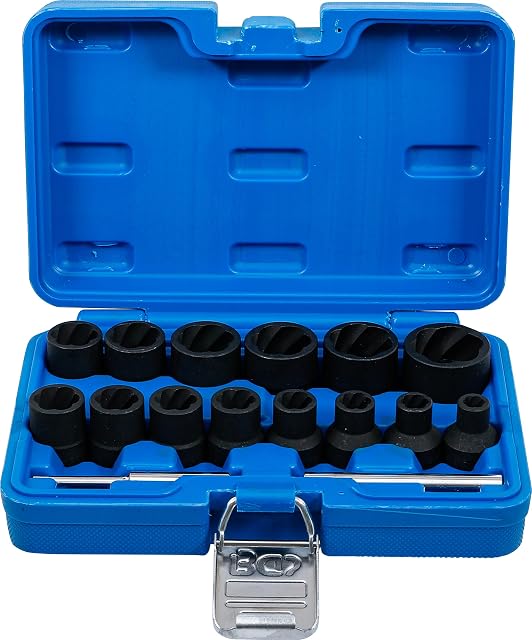
Every product carries one, and it stays orderable for years. On sets where a single adapter goes missing, that is the difference between replacing a plate and replacing the set.
Where they sit on price
Above the marketplace brands, below the premium trade names. The consistent argument for paying it is that the specification is stated and the part remains available.
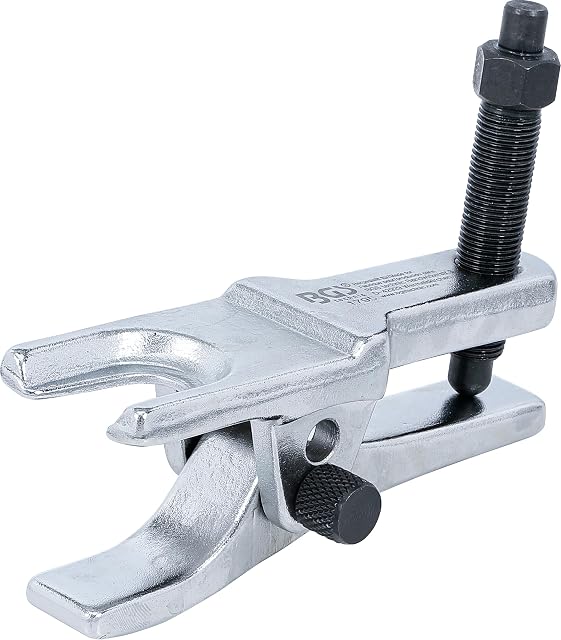
20–22 mm (0.79 to 0.87 in) jaw opening · clamping range lockable at 30 and 55 mm (2.17 in) · forged · 1210 g (42.7 oz) stated
A single forged separator with its jaw opening, clamping positions and weight all published — the sort of specification a trade catalog provides and a marketplace listing does not.
Best for: A known job on a known car, where the size has already been measured.
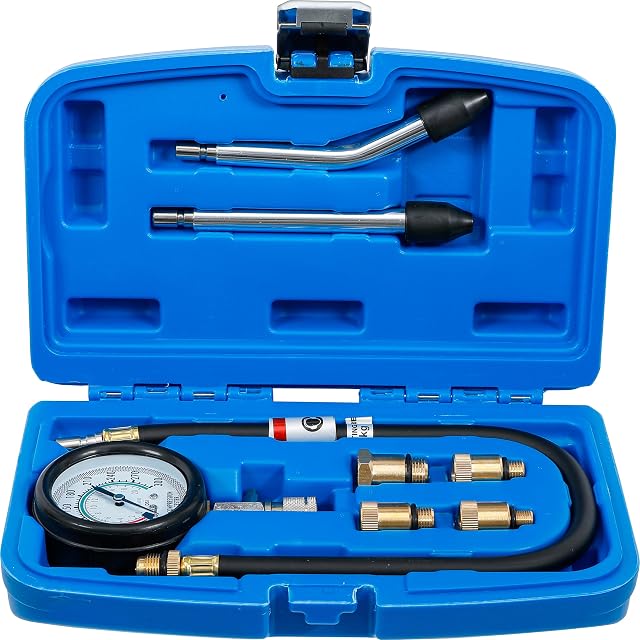
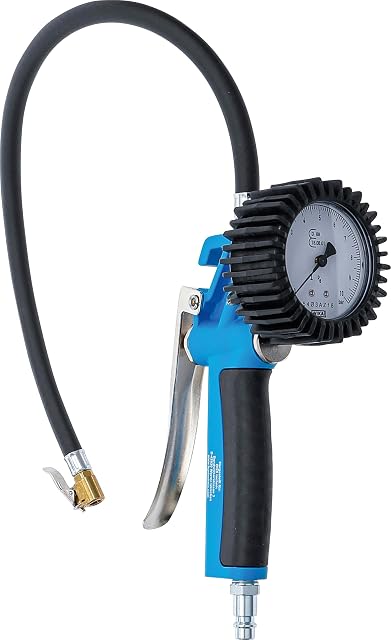
Petrol · analog dial 0–20 bar / 0–300 psi / 0–2000 kPa · adapter hose or rubber cone tube · M10–M18
The workshop-brand version: an analog dial with three scales, an adapter hose and a rubber cone tube, from a maker whose catalog numbers mean something.
Best for: Someone who expects to still own this in fifteen years.